
Introduction
A detailed investigation by the BBC has revealed new information about the tragic events that took place in Kathmandu, Nepal, on 8 September last year. The report suggests that a senior police official approved the use of live ammunition during large youth protests in the capital.
The protests, which were organized mainly by young people, later escalated into unrest that resulted in deaths, injuries, and major political changes in the country.
Among those who died was 17 year old Shreeyam Chaulagain, who had attended the demonstration wearing his school uniform.
Why the Protests Began
Nepal became a republic in 2008 after years of civil conflict. A new constitution later promised political reform and better opportunities for citizens. However, many young people say that unemployment, corruption, and political instability remain serious problems.
According to various reports, a significant number of young Nepalis are unemployed or struggling to find stable work. Frustration has been widely shared online, especially among Generation Z, which includes people between the ages of 14 and 29.
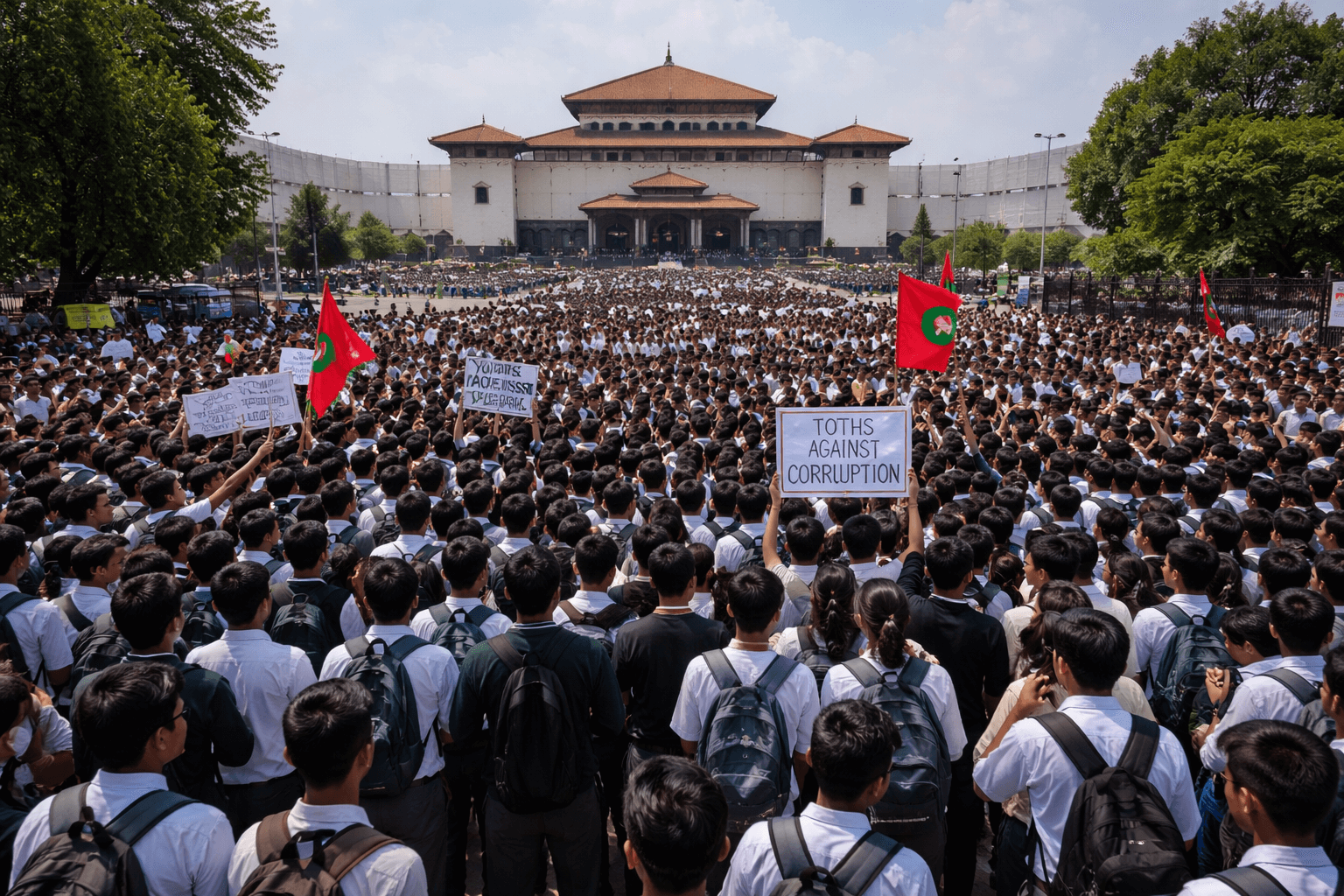
In early September, youth activists began using social media platforms to organize a peaceful protest outside Nepal’s Parliament building in Kathmandu. Online discussions focused on issues such as political accountability and transparency.
Authorities had expected a small gathering. Instead, tens of thousands of people arrived.
What Happened on 8 September
On the morning of 8 September, large crowds gathered near Maitighar Mandala, a well known protest location in Kathmandu. As the crowd moved toward Parliament, police blocked the main route with barricades.
As tensions increased, some protesters moved around the barricades. Police responded with crowd control measures such as tear gas and batons. Later, a curfew was announced, making gatherings in the area illegal.
According to internal police documents reviewed by the BBC, officers on the ground requested permission to use stronger force as the situation became more chaotic.
The police log reportedly shows that at 12:40 pm, a message was recorded stating that there was no further need to obtain permission and that officers could deploy necessary force.
Sources told the BBC that the call sign “Peter 1” referred to former police chief Chandra Kuber Khapung.
Nepal Police has said that any decision to escalate force followed legal procedures and was made after authorization from a government security committee. Officials involved have denied personal responsibility, and the matter is now being examined by a public inquiry.
The Death of Shreeyam Chaulagain
Video evidence analyzed by investigators showed that 17 year old Shreeyam Chaulagain was present at the protest carrying a banner and wearing his school uniform.
Later footage reportedly shows him moving away from the main protest area. According to the BBC investigation, he was unarmed at the time he was fatally injured.
His family said he was deeply interested in politics and believed the protest would be peaceful. His mother had advised him not to attend, but he reassured her that students in school uniforms would not be targeted.
His death became one of the most discussed moments of the protest and drew widespread attention inside and outside Nepal.
Political Consequences
The events of 8 September led to further unrest the following day. Demonstrations spread across Kathmandu, and public anger increased.
On 9 September, Prime Minister KP Sharma Oli resigned. Soon after, the government collapsed. The Nepal Army later stepped in to help restore order in the capital.
In total, dozens of people died during the unrest over two days. Government buildings were damaged, and several police officers also lost their lives during the violence that followed.
Authorities stated that they were responding to a rapidly changing and overwhelming situation.
Investigation and Accountability
A public inquiry is currently investigating the chain of events, including who authorized the use of live ammunition and whether procedures were properly followed.
So far, no final report has been released. No individual has been legally held responsible.
Former officials, including the police chief and government ministers at the time, have denied personal involvement in ordering excessive force.
General elections are scheduled for 5 March, and the issue remains politically sensitive.
Families of the victims continue to demand transparency and accountability. Many citizens are waiting for clear answers from the inquiry.
Impact on Nepal’s Youth
The events have sparked serious discussions about youth participation in politics, freedom of expression, and public safety during demonstrations.
Many young Nepalis say they want peaceful reform and stronger democratic institutions. The tragedy has also raised questions about how authorities manage large scale protests organized through social media.
Observers believe that the final findings of the inquiry could influence public trust in institutions and shape Nepal’s political future.
Frequently Asked Questions
What happened on 8 September in Kathmandu?
Large youth led protests took place near Parliament. The situation escalated, and live ammunition was reportedly used. Multiple people died, and many were injured.
Who was Shreeyam Chaulagain?
He was a 17 year old student who attended the protest in his school uniform. He later died during the unrest.
Who authorized the use of force?
According to the BBC investigation, an internal police log showed an order linked to a call sign associated with former police chief Chandra Kuber Khapung. Officials say the decision followed legal approval from a security committee.
Is there an official investigation?
Yes. A public inquiry is currently reviewing the events. No final findings have been released yet.
Did the protests affect Nepal’s government?
Yes. The unrest led to the resignation of Prime Minister KP Sharma Oli and the collapse of the government.